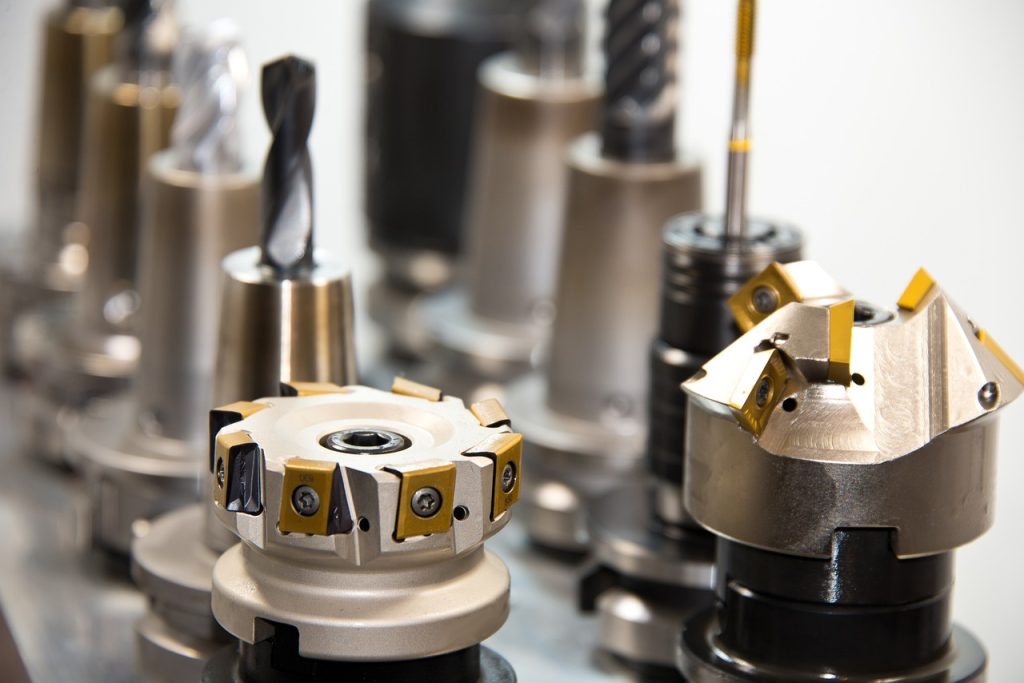
The manufacturing industry is undergoing a transformative phase, driven by advancements in automation, digital technologies, and a growing emphasis on sustainability. In this article, we explore the latest trends shaping the future of manufacturing, highlighting the pivotal role of Industry 4.0, AI/ML, and related technologies. From the automotive sector to the food and beverage industry, these innovations are reshaping how products are made, how data is used, and how industries contribute to a more sustainable world.
A New Era for Manufacturing
The manufacturing industry is at the forefront of a technological revolution. What was once a sector dominated by traditional methods is now embracing cutting-edge technologies that promise efficiency, innovation, and sustainability. The rise of Industry 4.0, coupled with advancements in artificial intelligence and machine learning, is redefining how manufacturers operate. These technologies are not just about automating processes; they are about creating smarter, more connected, and more sustainable production lines.
Key Trends in Modern Manufacturing
1. Data Visualisation and Analytics
In the modern manufacturing world, data is king. The ability to visualise and analyse data in real-time is crucial for manufacturers looking to stay competitive. Tools such as Microsoft Office 365 and Power BI provide the necessary platforms to monitor, extract, and analyse data, enabling manufacturers to respond swiftly to market demands. These tools offer historical trends, custom batch reports, and user change tracking, which are essential for addressing supply chain challenges and optimising lean manufacturing processes.
2. Robotics and Automated Material Handling
Labour shortages have become a significant challenge for manufacturers, prompting a shift towards automation. Robotics and automated material handling systems are being deployed to streamline operations and fill gaps where manual labour is scarce. This trend extends beyond the factory floor to warehouse automation, where robots are optimising logistics and inventory management. The integration of robotics with AI/ML algorithms ensures that these systems can adapt to changing demands, making them an indispensable part of modern manufacturing.
3. Cybersecurity and Data Protection
As manufacturing becomes more connected, the threat of cyberattacks increases. Security and cybersecurity have become mission-critical concerns, impacting intellectual property, product safety, and worker safety. Advanced automation solutions provide the necessary visibility and control to ensure network security, particularly as mobile devices and IoT sensors become more prevalent on the manufacturing floor.
4. Maintenance and AR Applications
Augmented Reality (AR) is revolutionising maintenance practices. By overlaying video and machine visuals, AR assists maintenance workers in quickly identifying and resolving issues. This technology is particularly valuable in older facilities, where connectivity and obsolete equipment pose challenges. The integration of AR with AI and automation ensures that maintenance processes are more efficient and less error-prone.
5. Industry 4.0 and Sustainability
Industry 4.0 represents a significant leap forward in manufacturing efficiency and sustainability. It is characterised by enhanced production processes that reduce waste and emissions, promoting environmentally responsible practices. The circular economy is a key aspect of Industry 4.0, with technologies enabling new business models such as leasing or renting products, thereby extending their lifespan and reducing waste.
Industry 5.0: The Future of Human-Robot Collaboration
Industry 5.0 envisions a future where humans and robots work side by side, leveraging advanced technologies including AI, robotics, quantum computing, and additive manufacturing. This collaboration not only enhances productivity but also prioritises human wellbeing, ensuring that workers are integrated into the production process in a safe and ergonomic manner.
For businesses looking to thrive in this evolving landscape, several strategies are essential:
- Lean Manufacturing: Eliminate waste at every stage to maximise efficiency and productivity.
- Differentiation: Use Industry 4.0 technologies to offer unique solutions, such as customisable production lines or sustainable manufacturing practices.
- Globalisation with Local Sourcing: Embrace local sourcing strategies within a global framework to reduce transportation emissions and support local economies.
- Safety First: Prioritise worker safety by integrating technologies that ensure a safe working environment.
- Adopt Advanced Technologies: Embrace AI, robotics, and IoT to maintain competitiveness and drive innovation.
In conclusion, the future of manufacturing is set for unprecedented growth and innovation. By embracing Industry 4.0, Industry 5.0, and related technologies, manufacturers can navigate the complexities of modern production, ensuring efficiency, security, and competitiveness in a rapidly evolving market. The integration of these technologies not only optimises production processes but also supports sustainability and human-centric approaches, positioning manufacturers as key contributors to a greener, more productive future.