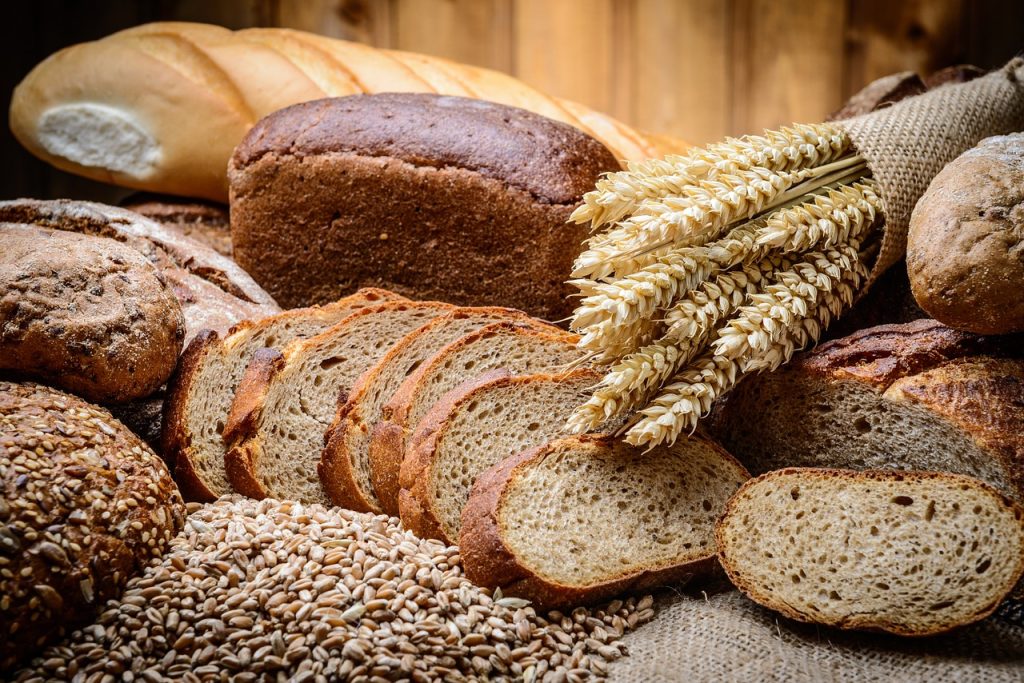
Welcome to the world of artisanal bread – a market that’s heating up with opportunity and innovation. In this article, we explore how artisanal bread is making waves, the key drivers behind its growth, and how businesses in the food and retail industry can capitalise on this trend.
The Rise of Artisan Bread: A Market Overview
Artisanal bread isn’t just about a loaf of sourdough or a crusty baguette. It represents a shift towards quality, craftsmanship, and unique consumer experiences. Here’s a quick rundown:
- Everyday Factory-Produced Bread: This staple is soft, white, and great for a simple sandwich but lacks the depth of flavour and quality that artisanal bread offers.
- Quality Bread: Often baked in-store at supermarkets, these loaves are a step up in freshness and taste.
- Exceptional Bread: Represented by renowned bakeries such as Woodfrog Bakery, this tier epitomises the pinnacle of craftsmanship and quality.
Despite supermarkets dominating a hefty 78% of the fresh bread market, there’s a significant niche for smaller, artisanal players. As consumers seek out unique and experiential food options, artisan bakeries and specialty patisseries are thriving.
Key Drivers of Growth in Artisan Bread
Several factors are fuelling the resurgence of artisanal bread:
- Consumer Preferences: There’s a growing appetite for high-quality, handcrafted products that offer more than just sustenance.
- Health: Increased awareness about the nutritional benefits of artisanal breads, including lower glycaemic indices and better digestibility, is driving demand.
- Craftsmanship and Local Sourcing: Emphasis on traditional methods and local ingredients resonates with today’s discerning consumers.
Innovation in Artisan Bread
The artisanal bread market is not static; it’s ever evolving with exciting innovations:
- Sourdough and Fermentation: Enhanced sourdough varieties with extended fermentation times are improving flavour and nutrition.
- Ancient Grains: Breads made with spelt, einkorn, and other ancient grains cater to health-conscious consumers seeking nutrient-dense options.
- Vegan and Gluten-Free Options: Advances in alternative flours and baking technology are making gluten-free and vegan options more accessible without compromising taste.
Technological Integration
Bakeries are leveraging new technologies to enhance production while maintaining artisanal quality:
- Automation: Streamlining production processes while preserving the handcrafted essence of artisan bread.
- E-commerce: Online platforms are expanding market reach, offering bakeries the opportunity to engage with a broader audience and boost sales.
Supply Chain Dynamics
For businesses in the artisan bread sector, understanding supply chain intricacies is crucial:
- Local Sourcing: Emphasising high-quality, locally sourced ingredients supports freshness and local economies.
- Sustainability: Zero-waste practices, including sustainable packaging and reduced carbon footprints, are becoming increasingly important.
- Distribution Challenges: Ensuring product quality during transport and managing efficient distribution channels are key to maintaining customer satisfaction.
Market Performance and Opportunities
The Australian artisanal bread market is experiencing robust growth. Key opportunities include:
- Product Diversification: Expanding product lines to include various bread types and complementary items, such as high-end olive oils.
- Geographic Expansion: Exploring new markets and regions to tap into emerging consumer bases.
- Retail Channels: Enhancing presence in supermarkets, specialty stores, and online platforms.
Challenges Facing the Artisan Bread Market
Despite its growth, the artisan bread sector faces several challenges:
- Market Fragmentation: The presence of numerous small-scale bakeries can lead to inconsistent quality and distribution issues.
- Volatile Raw Material Prices: Fluctuations in ingredient costs can impact profit margins and pricing strategies.
- Regulatory Compliance: Adhering to stringent food safety and labelling regulations adds to operational complexity.
Future Prospects
Looking ahead, the artisan bread market in Australia, and globally, presents several growth opportunities:
- Sustainability: Consumer demand for eco-friendly practices and sustainable ingredients is on the rise. Emphasising eco-friendly practices and supporting local economies can enhance brand reputation and customer loyalty.
- Product Innovation: Incorporating native and traditional ingredients such as Mitchell grass and lemon myrtle, can differentiate products and attract diverse customer segments.
- Digitalisation: Embracing digital tools and e-commerce can enhance operational efficiency and market reach.
Strategic Recommendations
For businesses in the artisan bread industry, consider these strategies:
- Ingredient Sourcing: Invest in high-quality ancient grains and secure reliable sourcing channels. Implement robust quality control measures to ensure consistency and freshness.
- Product Development: Focus on small-batch trials and versatility to adapt to market demands. Embrace continuous improvement to stay ahead of market trends.
- Consumer Education: Highlight the nutritional and unique qualities of artisanal breads in marketing efforts. Ensure your products align with your sustainable packaging solutions.
- Supply Chain Resilience: Build robust supply chains with sustainable practices and diversified sources. Optimise distribution logistics to maintain product quality and manage costs effectively.
- Innovation and Collaboration: Encourage R&D and form strategic partnerships to stay ahead of industry trends. Explore advanced production technologies to improve product consistency and quality.
- Consumer Experience: Enhance customer engagement through personalised experiences and interactive marketing. Offer value-added services such as bread-making masterclasses or personalised pairing recommendations such as with locally produced olive oils or charcuterie to engage with customers and enhance brand loyalty.
Conclusion
The artisanal bread market offers significant opportunities for businesses willing to innovate, adapt, and align with evolving consumer trends including growing demand for quality and authenticity. As a consulting business, Catalysing Outcomes is here to help guide our clients with actionable insights and achieve sustainable growth. Stay ahead of the curve by leveraging these insights and helping your business navigate the exciting world of artisanal bread.